
Broadcom BCM3379KPBG: A Comprehensive Technical Overview
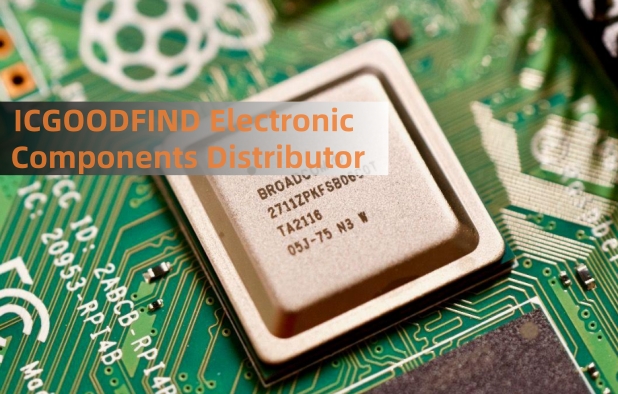
The Broadcom BCM3379KPBG represents a significant integrated circuit (IC) within the realm of set-top box (STB) and digital television solutions. This highly integrated single-chip system-on-a-chip (SoC) was designed to deliver a cost-effective yet powerful platform for processing standard-definition (SD) digital video and audio streams. Its architecture encapsulates the core functionalities required for decoding and presenting broadcast content, making it a pivotal component in consumer electronics of its era.
Core Architecture and Functionality
At its heart, the BCM3379KPBG is built around a MIPS32 CPU core, which serves as the central processing unit responsible for system control, application execution, and managing the various on-chip peripherals. This processor core is complemented by a dedicated digital video decoder supporting MPEG-2, the dominant compression standard for SD digital television broadcasts at the time. This hardware-based decoding ensures efficient and smooth playback of video content without overburdening the main CPU.
The chip integrates a 2D graphics engine to render on-screen displays (OSD), electronic program guides (EPG), and other graphical user interface (UI) elements. For audio, it includes a comprehensive audio processor supporting decode of formats like MPEG-1 Layer I & II and Dolby Digital, delivering high-quality sound output. A critical feature of its design is the integrated transport stream demultiplexer. This hardware block is responsible for parsing the incoming MPEG-2 transport stream, filtering out the specific packets that constitute the desired video, audio, and data channels, which is a fundamental process in digital broadcast reception.
Connectivity and System Integration
The BCM3379KPBG exemplifies high integration by including a vast array of peripherals necessary for a complete STB design. It features:
SmartCard Interface: Essential for conditional access (CA) and pay-TV subscriber management systems.
High-Speed USB 1.1 Controller: For connecting external storage or peripherals.
IEEE 1284 Parallel Interface: Often used for printer connectivity or debug purposes.
Multiple Serial Interfaces (UARTs, I2C, SPI): For communication with other ICs, such as tuners and front-end modules.
Hardware Front-End (AFE) Interface: Directly connects to analog video decoders or tuner modules.
This level of integration significantly reduces the bill of materials (BOM) and overall system complexity, allowing manufacturers to develop compact and reliable end-products.
Target Applications and Legacy
The primary application of the BCM3379KPBG was in standard-definition set-top boxes for cable, satellite, terrestrial, and IPTV (Internet Protocol Television) markets. It was a workhorse solution that enabled the global transition from analog to digital television. You would also find this chip at the core of digital television receiver cards for PCs and early digital video recorder (DVR) systems. While now considered a legacy part, superseded by chips capable of processing high-definition (HD) and 4K content, it played a crucial role in the foundational years of digital broadcast entertainment.
ICGOODFIND: The Broadcom BCM3379KPBG is a quintessential example of a highly-integrated SD media processor. Its value lies in its all-in-one design, combining a MIPS CPU, MPEG-2 video decoding, audio processing, and demuxing capabilities onto a single die. This integration was key to driving down the cost and size of digital set-top boxes, thereby accelerating the adoption of digital TV worldwide. It stands as a testament to the engineering philosophy of creating powerful, monolithic solutions for specific market segments.
Keywords:
1. System-on-a-Chip (SoC)
2. MPEG-2 Decoder
3. Set-Top Box (STB)
4. Transport Stream Demultiplexer
5. MIPS32

